How to Hang License Plate Art on Any Wall (Without Damaging It)
Step-by-step guide to hanging heavy license plate art safely on drywall, brick, and concrete. Learn the right anchors, tools, and techniques for a perfect hang.
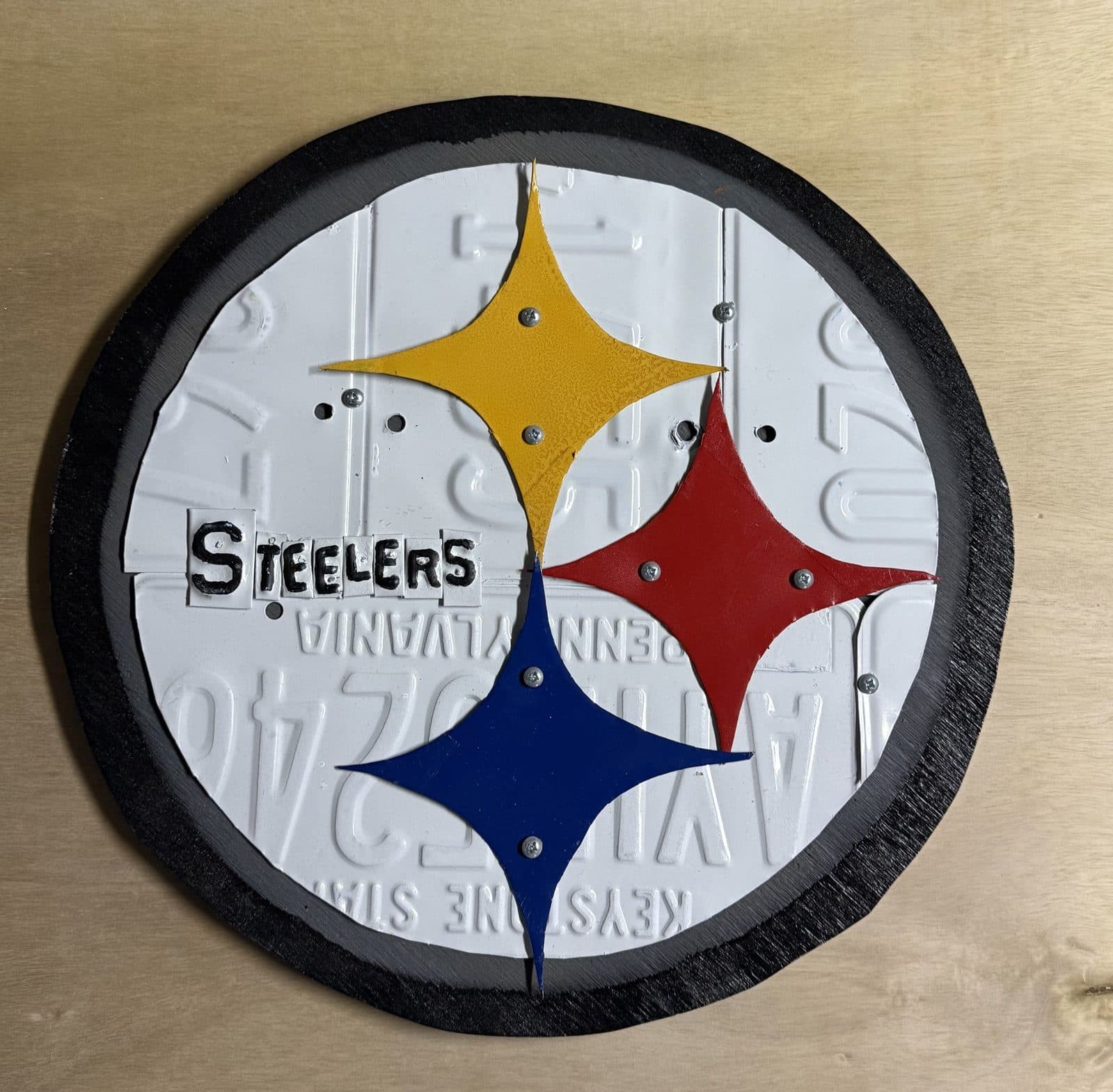
License plate art is steel — and steel is heavy. A mid-size piece weighs 8–15 lbs. A large multi-plate installation can top 30 lbs. Hanging it wrong means damage to your wall, damage to your art, or both. Here's exactly how to do it right.
What You'll Need
Before you start, gather your tools. Having everything on hand before you put a nail in the wall saves trips back to the garage.
- ✓Stud finder
- ✓Level (at least 24")
- ✓Pencil
- ✓Drill and drill bits
- ✓Heavy-duty wall anchors (50+ lb rated) OR lag bolts if going into studs
- ✓Measuring tape
- ✓A helper (seriously — don't skip this for larger pieces)
Step 1: Know What You're Hanging Into
Drywall, brick, and concrete each require different hardware. Hanging a 20 lb piece with a standard drywall nail will eventually fail — often at the worst moment. Here's the breakdown by wall type:
- ✓Drywall into a stud: Use 3" wood screws. A stud can hold 80+ lbs per screw. This is your best scenario.
- ✓Drywall with no stud: Use toggle bolts ("butterfly anchors") rated for the piece's weight. Never use standard plastic expansion anchors for pieces over 10 lbs.
- ✓Concrete or brick: Use masonry anchors. Drill with a hammer drill and masonry bit, insert the anchor, then drive a screw.
- ✓Plaster walls: Similar to drywall but more brittle — go slow on drilling and use toggle bolts.
Pro tip: When in doubt, find a stud. Run your stud finder horizontally across the hanging area and mark both edges of each stud with pencil. Studs are typically 16" apart.
Step 2: Find the Right Height
Art hung too high or too low looks wrong even if the piece is beautiful. The rule of thumb in interior design: the visual center of the piece should sit 57"–60" from the floor — roughly eye level for a standing adult. For pieces hung above furniture (couch, desk, console table), position the bottom edge 6"–8" above the furniture.
Pro tip: Measure twice — really. Mark the intended center point with a pencil, then step back and look from the doorway before drilling.
Step 3: How Packwood Plates Pieces Mount
Most Packwood Plates pieces ship with keyhole hangers — two metal slots on the back of the frame. These mount on screws set a precise distance apart. Here's the process:
- ✓Measure the distance between the two keyhole centers on the back of your piece
- ✓Mark that same distance on your wall at the desired height — use a level to make sure both marks are exactly horizontal
- ✓Drive your screws (into studs or anchors) to leave the screw head protruding about 1/4"
- ✓Lift the piece and drop the keyholes over the screw heads
- ✓Slide down gently until the keyholes lock onto the screw shafts
What NOT to Do
A few common mistakes that cause problems:
- ✓Don't use Command strips or adhesive hooks for pieces over 5 lbs — the weight and leverage of a protruding metal piece will tear them from the wall
- ✓Don't hang near heat vents or in high-humidity areas like bathrooms — steel expands and contracts with temperature
- ✓Don't rush the leveling step — a 1° tilt is obvious on a rectangular piece
- ✓Don't skip the test hang — once the piece is up, give it a gentle tug before letting go completely
Gallery Walls with License Plate Art
If you're building a gallery wall with multiple pieces, lay everything out on the floor first. Arrange until you're happy with the spacing, then use paper templates (trace each piece) taped to the wall to plan your hole placement before committing. Start hanging from the center out.
Ready to Order?
Custom license plate art handcrafted in the USA. Tell us what you want and we'll send a quote.